AI Code Auditing: Why Manual Security Reviews Lag
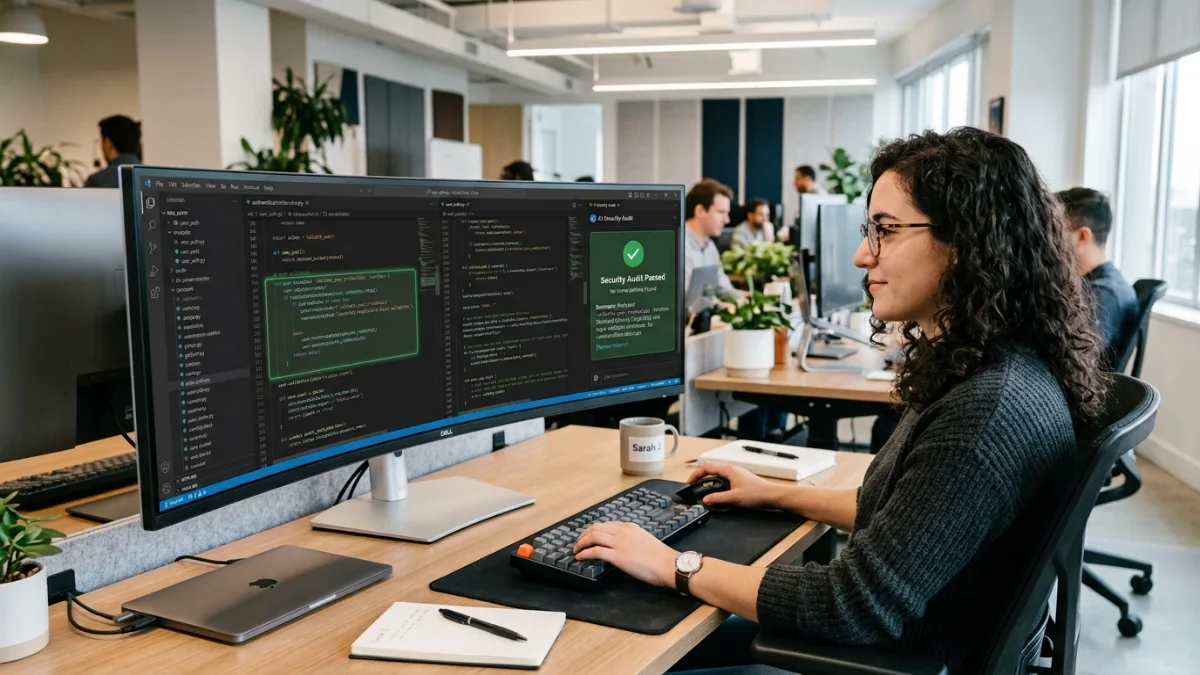
As continuous integration loops speed up, manual peer review processes introduce massive production friction bottlenecks. Modern engineering groups are replacing manual security audits with high-speed autonomous tooling systems.
1. Eliminating Vulnerability Leakage Paths
Manual logic tracing easily misses subtle context flows, like loose validation rules on complex form fields or unescaped values within deep data objects. AI-driven parsing tools don't simply read text; they construct comprehensive dynamic dependency maps to spot cross-site scripting risks (XSS), missing authorization checks, and leaking structural tokens.
2. Shifting Security Checkpoints Left
"Shifting left" means identifying structural vulnerabilities as early as possible in your software deployment lifecycle. Resolving a memory leak or database authentication mismatch while working locally inside a development container takes minutes—fixing that same security flaw after an exploit has been deployed to live users is a costly disaster.
By combining local browser-sandbox testing platforms with automatic validation routines, you keep sensitive customer data isolated, secure, and fully private. Try the JSON parser or schema generator for zero-upload validation during development.