Food Cost Calculator: How to Price Your Menu for Profit
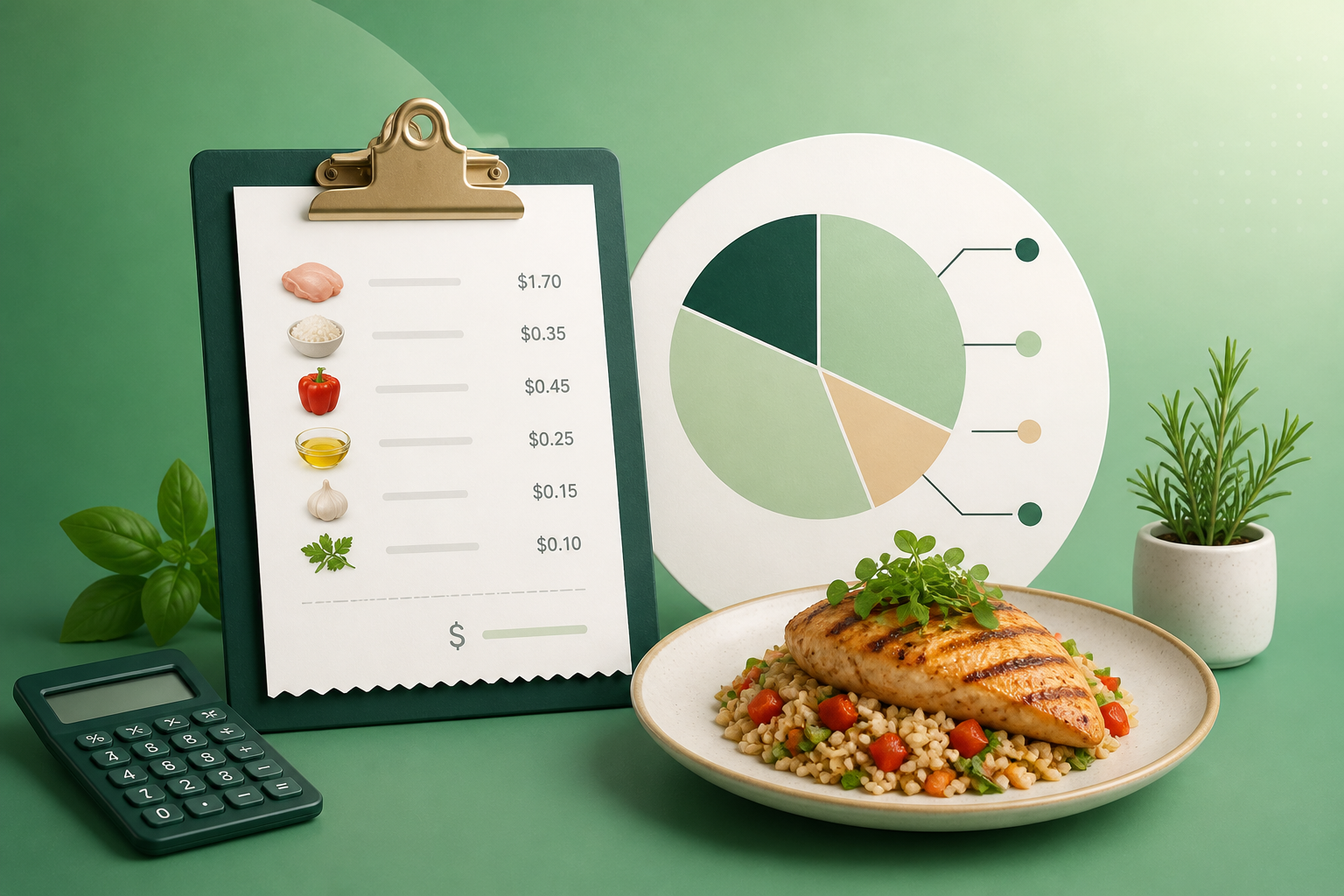
Knowing your food cost percentage is the difference between a profitable restaurant and one that bleeds money. The free food cost calculator on ToolMars lets you enter ingredient costs, set servings, and instantly see cost per plate, suggested menu price, and profit margin — all without signing up or uploading your recipes to the cloud.
Whether you run a restaurant, food truck, catering company, or just want to budget your weekly meal prep, understanding food costing is essential. Here is a practical guide.
Calculate recipe costs and menu pricing instantly
Free food cost calculator — cost per serving, food cost %, suggested menu price.
What Is Food Cost Percentage?
Food cost percentage tells you what portion of your revenue goes to paying for ingredients. It is the single most important number in food service profitability.
For example, if a pasta dish costs $4.20 in ingredients and you charge $14.00, your food cost is 30%. The remaining 70% covers labor, rent, utilities, and profit.
Industry Benchmarks by Restaurant Type
Typical food cost ranges
- Fast food & pizza: 20–25% — high volume, low ingredient cost
- Casual dining: 28–32% — balanced ingredient quality and pricing
- Fine dining: 33–40% — premium ingredients offset by higher prices
- Food trucks: 25–30% — lean operations with focused menus
- Catering: 30–35% — variable based on event scale and ingredient quality
How to Calculate Food Cost Step by Step
Here is the practical workflow using the ToolMars food cost calculator:
- Step 1 — List ingredients: add every ingredient with its purchase price and the amount your recipe uses
- Step 2 — Set servings: enter how many portions the recipe makes so the tool calculates cost per plate
- Step 3 — Target percentage: set your desired food cost % (usually 28–35%) to see the suggested menu price
- Step 4 — Compare: enter your actual menu price to see if your real food cost percentage is on target
- Step 5 — Export: download the full ingredient breakdown as a CSV for your records
7 Ways to Lower Your Food Cost
Practical cost reduction strategies
- Negotiate supplier pricing: buy in bulk, compare vendors, and lock in contracts for staple items
- Use seasonal ingredients: in-season produce is cheaper and better quality
- Cross-utilize ingredients: use the same proteins and vegetables across multiple menu items to reduce waste
- Portion control: use scales and standardized scoops to prevent over-portioning
- Track waste: monitor prep waste, spoilage, and returns to identify hidden costs
- Menu engineering: promote high-margin dishes and redesign or remove low-margin items
- Adjust prices strategically: small price increases (5–8%) are rarely noticed by customers but compound significantly on the bottom line
Food Cost vs Prime Cost
Food cost only covers ingredients. The real profitability metric is prime cost, which adds labor:
Most successful restaurants keep prime cost under 60% of revenue. If your food cost is 30% and labor is 28%, your prime cost is 58% — leaving 42% for rent, utilities, marketing, and profit. Use the food cost calculator to nail the ingredient side, then layer in your labor numbers for the full picture.
Calculate recipe costs and menu pricing instantly
Free food cost calculator — cost per serving, food cost %, suggested menu price.
Using This Calculator for Meal Prep
You do not need to run a restaurant to benefit from food costing. Home cooks and meal preppers can enter grocery prices and recipe quantities to find out the real cost per serving. This makes it easy to compare homemade meals to takeout, plan weekly budgets, and decide which recipes give the best value for your grocery spending.
Bottom Line: Know Your Plate Cost
Food cost percentage is the foundation of menu profitability. Set prices with the markup calculator, convert recipe amounts with the gram to spoon converter, and read our markup vs margin guide when translating cost into selling price.
Frequently Asked Questions
What is a good food cost percentage?
28–35% for most restaurants. Fast food runs lower (20–25%), fine dining runs higher (35–40%).
How do I calculate food cost percentage?
Divide ingredient cost per serving by menu price, then multiply by 100.
What is the difference between food cost and food cost percentage?
Food cost is the raw dollar amount. Food cost percentage is that amount relative to revenue — it shows what fraction of each sale goes to ingredients.
How do I lower my food cost?
Negotiate with suppliers, use seasonal produce, control portions, minimize waste, and cross-utilize ingredients across your menu.
Can I use this for home meal prep?
Yes — enter your grocery prices and see the exact cost per serving for budgeting.